Thawing and Warming Safely
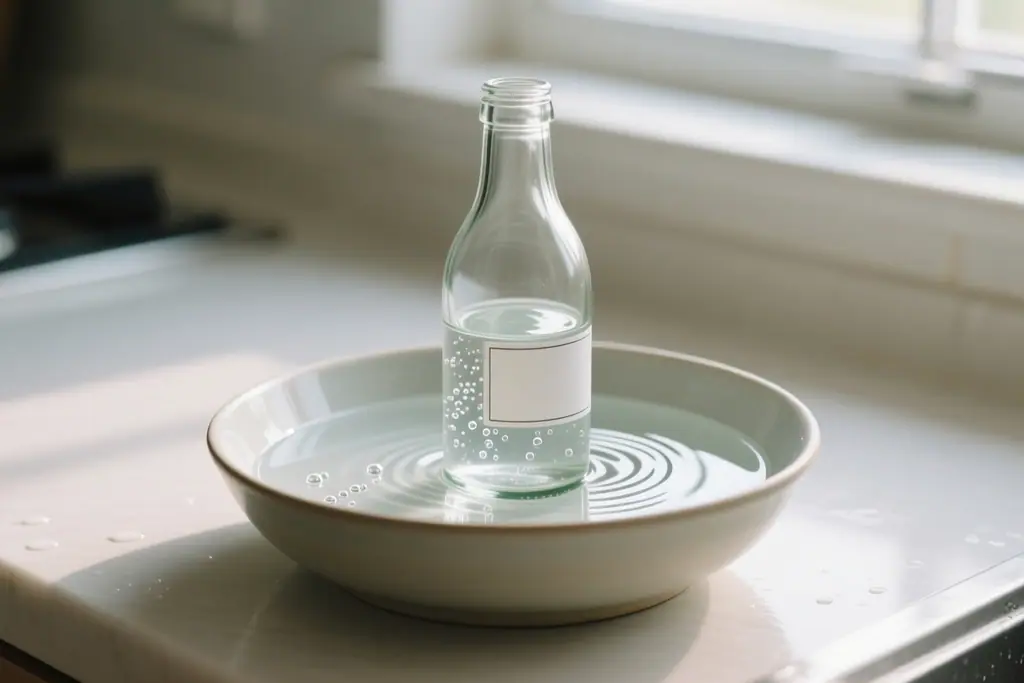
A freezer full of milk is a quiet kind of security, and thawing is where that security is either preserved or wasted. How you bring frozen milk back to a liquid state affects how easily it can be used and how confident you feel offering it. This page describes the everyday handling choices the alliance talks over with families, as general information and never as medical advice. For anything specific to your own baby, talk with your pediatrician, midwife or lactation consultant.
Start With the Oldest Milk
Before you thaw anything, look at the dates on your containers and reach for the oldest milk first. Rotating in this way keeps your supply moving and means nothing sits forgotten at the back of the freezer. If you labelled and sorted your stash when you froze it, this step takes only a moment. If the labels have blurred or come loose, set those containers aside to use first rather than guessing about their age later.
Thawing Slowly in the Refrigerator
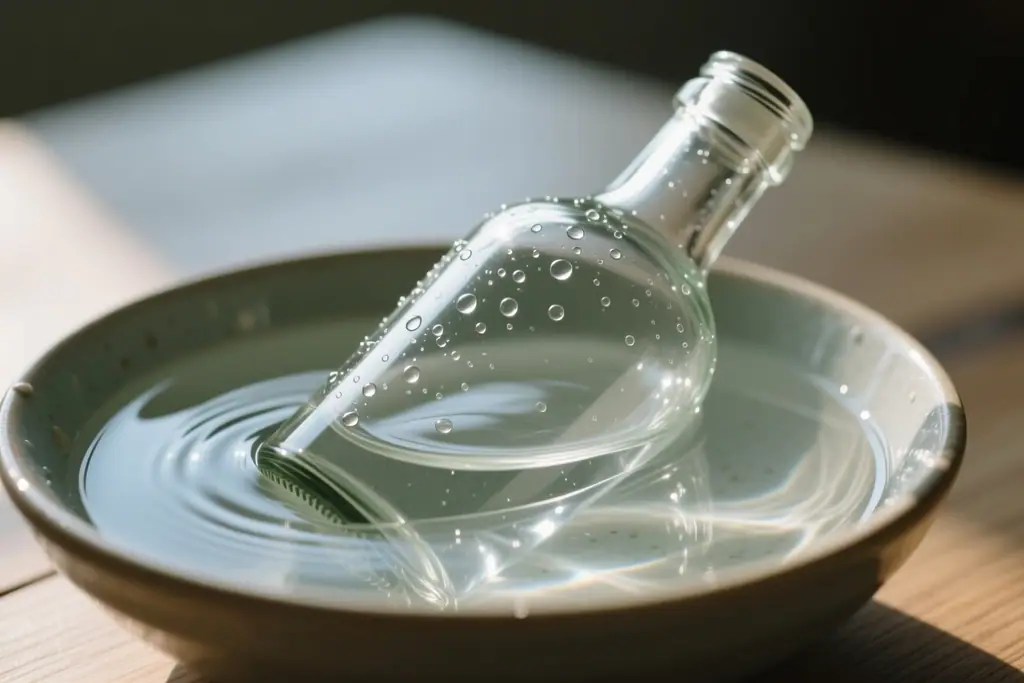
The gentlest approach is to move milk from the freezer to the refrigerator and let it thaw over a slow stretch of time. Plan ahead so you are not left waiting, because this method cannot be hurried without changing the method itself. Keep the container upright and place it where it will not be knocked over or crowded by other food. Once it has fully turned to liquid, follow the alliance documents for how long it may stay refrigerated before it should be used.
Warming Gently, Not Hotly
Once milk is thawed, many families warm it only enough to take off the chill. Gentle warmth is the aim, and heat is not needed. You can stand the container in a bowl of warm water or use a warmer made for the purpose, checking the feel against your wrist before offering it. Hard shaking is best avoided, because it serves no purpose and only fills the milk with froth. Ask your care team if you want an approach matched to your baby.
What to Avoid
- Do not thaw or warm milk in a microwave, where heating is uneven and hard to judge.
- Avoid leaving milk out at room temperature for long stretches; return it to the refrigerator promptly.
- Do not refreeze milk that has already been fully thawed.
- Skip vigorous shaking and rough handling that you cannot control easily.
- Do not pour fresh milk into a container of thawed milk; keep batches separate.
Thawing Choices at a Glance
The table below is a plain summary of the methods families ask about most often. It is a starting point for a conversation, not a set of instructions that replaces the alliance documents or your care team.
| Method | What it suits | Keep in mind |
|---|---|---|
| Refrigerator thaw | Planned feeds and the gentlest handling | Needs planning ahead |
| Warm-water bath | Taking the chill off once thawed | Keep the water warm, not hot |
| Cool running water | A quicker thaw when time is short | Use cool water, never hot |
| Microwave | Nothing, because this method is avoided | Uneven heating is the concern |
After Thawing: Using It Well
Thawed milk should be kept cool until you are ready to offer it, and any that has been warmed should be treated as milk in use rather than milk in storage. Follow the alliance documents for the timing that applies, and avoid topping up a partly used container with a fresh pour. If you thawed more than you needed, keeping the extra cold and clearly marked makes it easier to use safely and calmly. These small habits are what keep a shared supply trustworthy.
Planning Ahead for the Week
A little thought before the freezer door opens can remove most of the stress from thawing. If you know roughly when you will need milk, move a container to the refrigerator the day before rather than improvising in a hurry. Keep a small amount thawing rather than the whole stash, so that a change of plan does not commit you to milk you may not use. Families who thaw in small, planned batches tend to waste less and worry less.
It also helps to know what your own documents say about timing before you need the answer. Read them once when the freezer is full and calm, so that you are not learning the rules in the middle of a difficult night. If something in them is unclear, ask your care team or the alliance while things are quiet. That way, the practical decisions are already made when the moment arrives.
None of this requires special equipment or a strict schedule. It requires only a habit of looking ahead far enough that you are never forced to rush. That small margin is often the difference between handling milk calmly and handling it under pressure.
When Something Looks Wrong
If thawed milk looks or smells unusual, set it aside and do not offer it, then check with your care team about what you noticed. Frozen and thawed milk can separate and look different from fresh milk, and that alone is not always a warning sign, which is why a second opinion helps. The alliance materials are a guide for everyday handling, not medical advice, and they are meant to sit alongside the guidance you receive from your pediatrician, midwife or lactation consultant. When in doubt, ask before you use it.
Related reading
Milk Storage Basics at Home
Containers, labelling and freezer organisation for stored milk.
Flash-Heat Pasteurization at Home
What the documented home method involves and where the instructions live.