Flash-Heat Pasteurization at Home
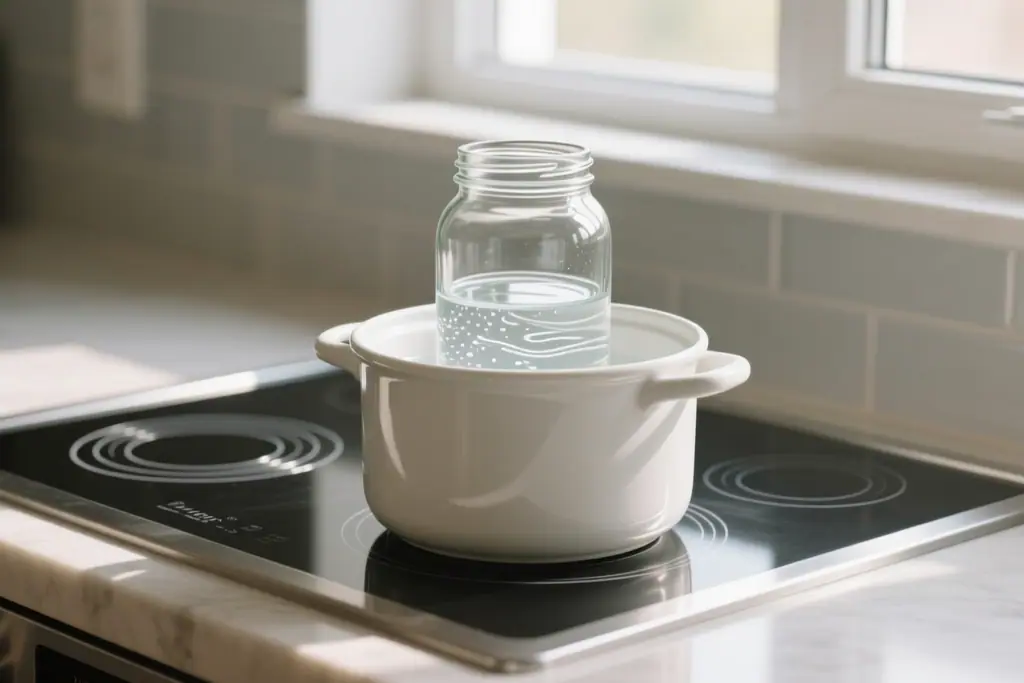
Informed milk sharing rests on being honest about what is and is not done to the milk. Milk shared through this community is not pasteurized, and the alliance says so plainly rather than leaving it to chance. For families who want to reduce risk at home, there is a documented flash-heat method that can be carried out in a home kitchen, and the alliance points to it as one option among several. None of this replaces the advice of your own care team, so talk with your pediatrician, midwife or lactation consultant about what fits your baby.
What Flash-Heat Is and Is Not
Flash-heat is a documented home method for treating expressed milk, described in public health materials and used by families who want an extra step at home. It is a household technique, not a stand-in for industrial processing, and it does not make milk identical to milk from a commercial processor. The alliance mentions it because families ask about it and because the instructions are available from reliable sources. Understanding that difference is part of informed choice.
Why the Alliance Does Not Pasteurize Milk Itself
The alliance is a community of local families, not a processing facility, and the milk it helps move between households is not pasteurized. That is a deliberate part of the community model, and it is why donor screening and clear handling guidance carry so much weight here. Families are told what the milk is and what has been done to it, so that they can make their own decision with their own care team. Being open about this is the point, not a detail to gloss over.
Where the Instructions Live
The step-by-step instructions for flash-heat are held in the alliance's documents and in the public health materials the alliance refers to, rather than being reproduced loosely from memory. If you are considering the method, ask for the written instructions and read them in full before you begin. Follow them exactly as written, because a home method depends on doing each step in order. If anything in the instructions is unclear, resolve it with your care team before you treat any milk.
Preparing to Use the Method at Home
- Read the full written instructions and keep them beside you while you work.
- Set out clean equipment and a clean, uncluttered work surface first.
- Work with milk you have already labelled so you can track what has been treated.
- Follow each step in the order written rather than improvising.
- Ask your pediatrician, midwife or lactation consultant if you are unsure at any point.
Options Side by Side
The table below sets out the broad choices a family may discuss, without pretending one suits everyone. What is right for you depends on your baby, your circumstances and the guidance you receive.
| Option | What it involves | Where to learn more |
|---|---|---|
| Untreated shared milk | Milk as donated, with screening and handling guidance | Alliance documents |
| Flash-heat at home | A documented household method done in order | Written instructions from the alliance and public health sources |
| Feeding decision | Weighing any option with your care team | Your pediatrician, midwife or lactation consultant |
Talking It Through With Your Care Team
Before you use any home method, bring it to the people who know your baby. A pediatrician, midwife or lactation consultant can help you think about whether the step is worth it for your situation and what else might matter. The alliance does not decide this for families; it offers information and then steps back. That is why the guidance repeats the same phrase everywhere: talk with your pediatrician, midwife or lactation consultant.
Keeping Records of What You Treat
If a family chooses to treat milk at home, keeping a simple note of what was done and when makes the batch easier to account for later. Record the fact that the method was used, so that anyone handling the milk afterwards knows what has already happened to it. This is not bureaucracy for its own sake; it is what lets the next decision be an informed one. Clear records also make it easier to answer your care team's questions if they ask.
Keep the record with the container, or somewhere you will reliably find it, rather than trusting memory. If a batch has been treated but not yet used, agree with your household on how it will be marked so that no one confuses it with untreated milk. These small steps protect the work you have done and the trust the community places in clear handling.
Above all, never treat milk on the assumption that someone else will remember the details. Write them down, and let the written record speak.
A Final Word on Expectations
The alliance's materials are a guide, not medical advice, and nothing on a community website can promise a particular outcome for your baby. What the alliance can do is tell you honestly what is and is not done to the milk, and point you to documented instructions when a family wants them. The rest belongs to you and your care team. Read carefully, ask often, and take the time you need before deciding.
Related reading
Milk Storage Basics at Home
Containers, labelling and freezer organisation for stored milk.
Thawing and Warming Safely
How frozen milk is thawed, what to avoid and why the sequence matters.