Hygiene and Labelling
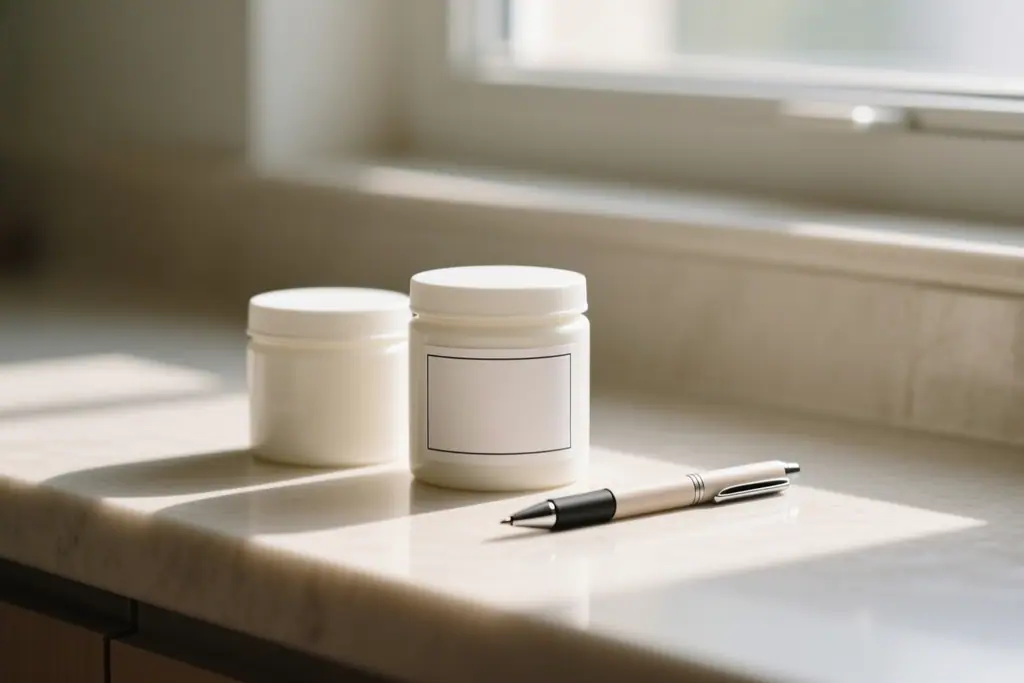
Clean hands, clean surfaces and a label that says what is inside: these small habits are the backbone of safe milk sharing. They cost little time and they make every later decision easier, from thawing to feeding to passing milk along. The alliance treats hygiene and labelling as practical skills rather than fussy rules, and the guidance below reflects how families actually work in busy kitchens. For anything specific to your baby, talk with your pediatrician, midwife or lactation consultant.
Clean Hands and Clean Surfaces
Wash your hands before you express, pour or handle milk, and give yourself room to work on a surface that has been wiped clean. Keep the area free of clutter so a container is less likely to tip or be set down on something grimy. Clean the pump parts and containers according to their own instructions and let them dry where dust will not settle. A tidy, unhurried corner does more for hygiene than any single expensive item.

Containers and Covers
Use containers meant for storing milk and keep a lid on them so the contents stay protected. Do not fill a container so full that it risks spilling when the milk freezes and expands. Keep containers closed between uses and store them where they will not pick up odours from strong-smelling food. If a container is cracked or its lid no longer seals, retire it rather than risk a leak.
What a Good Label Says
A useful label answers the questions you will have weeks later, when memory has faded. Write the date the milk was expressed, and add anything your documents ask you to record, such as whether the milk has been handled in a particular way. Keep the writing legible and place the label where it can be read without opening the container. A label that survives the freezer is worth more than a note you meant to add.
Keeping Batches Identifiable
The table below sums up the habit the alliance encourages: every container should be able to say what it is.
| What to record | Why it helps |
|---|---|
| Date expressed | Lets you use the oldest milk first |
| Handling notes | Shows what has already been done to the milk |
| Container contents | Keeps a batch separate from other pours |
| Any concern noted | Reminds you to ask your care team before use |
Organising the Freezer
- Group milk by date so the oldest is easiest to reach.
- Keep new milk behind older milk, not in front of it.
- Store milk away from the freezer door where conditions shift most.
- Leave space so containers do not crush or crack one another.
- Recheck labels at a glance each time you add or take out a batch.
A Calm Routine
None of this has to be perfect to be useful. A short routine, wash, pour, label and store, repeated often enough becomes second nature and removes the worry of trying to remember. If your documents call for a particular detail, keep a note of it where you work so you do not have to hold it all in your head. The aim is a supply you can trust without spending your whole day on it.
Building a Habit You Can Keep
Hygiene works best when it is built into the way the kitchen already runs, rather than bolted on as a separate chore. Choose one spot for milk containers and one for clean equipment, and return everything to its place so the next session starts from a known state. Wash and dry what you use soon after you finish, before it becomes a pile of small tasks later. A routine that fits the room is far more likely to survive a tired week.
If more than one person handles milk in your home, agree on the same steps so that no one has to guess what the others did. A short list on the wall can settle the whole question and spare the household a debate at the worst moment. Keep it brief and practical, and revise it whenever something does not work. The goal is consistency, not perfection.
Thinking About the Milk You Pass Along
When milk leaves your home to be shared, the labels you wrote suddenly carry more weight, because someone else now depends on them. Anyone receiving the milk should be able to tell what it is without asking you directly. That is why a clear date and a note about handling matter even more for shared batches than for milk you keep. Treat the label as a message to the next family.
It is equally fair to keep your own doubts to yourself only until you can resolve them, not quietly pass them on. If you are unsure about a container, leave it out of the shared supply and ask rather than hoping for the best. Honesty at this stage costs almost nothing and protects the trust the whole community rests on. That trust is the real reason the labels exist.
When to Ask a Question
If a container is unlabelled, if you are unsure how milk has been handled, or if something simply looks wrong, set it aside and ask rather than guess. The alliance's materials are a guide, not medical advice, and they are meant to work alongside your pediatrician, midwife or lactation consultant. A quick question now is always better than a worry later, so talk with your pediatrician, midwife or lactation consultant whenever the answer is not obvious.
Related reading
Milk Storage Basics at Home
Containers, labelling and freezer organisation for stored milk.
Thawing and Warming Safely
How frozen milk is thawed, what to avoid and why the sequence matters.
Flash-Heat Pasteurization at Home
What the documented home method involves and where the instructions live.