Handling Milk at Home: Key Points
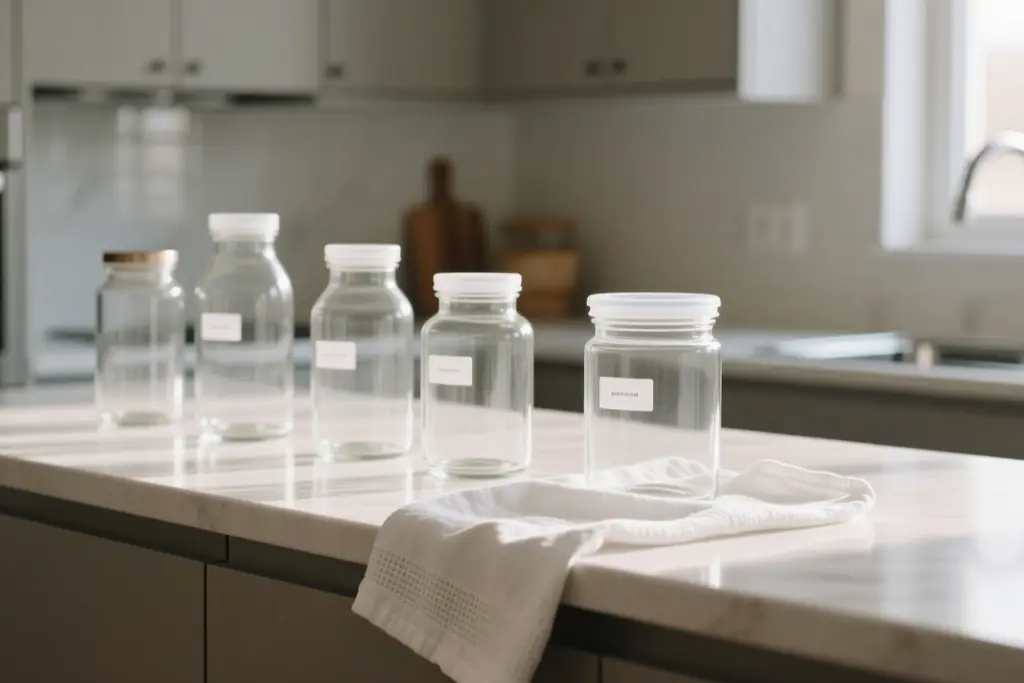
Milk that has been shared still needs to be handled carefully at home, and the alliance keeps written guidance for exactly this reason. This note summarises the key points a family should keep in mind and points to the instructions that carry the full detail. It is a reminder rather than a replacement for those instructions. Reading it alongside the current documents is the safest habit.
The handling steps are not complicated, but they matter because milk is delicate and the details are easy to forget under tiredness. The alliance would rather families review the written guidance than rely on a short summary. What follows is general information, not medical advice, and specific questions belong with your pediatrician, midwife or lactation consultant.

Storage and Labelling
Stored milk should be kept in clean containers and labelled so its age and origin are identifiable. Dating a batch as it is stored makes it easier to use older milk first and to answer a question later if one arises. Freezers should be organised enough that containers are not buried or forgotten. These habits protect both the milk's quality and the family's peace of mind.
Clear labelling also matters because milk from different sources should remain distinguishable. If a container's label is missing, setting it aside rather than guessing is the safer choice. The written guidance explains the exact steps the alliance recommends.
Thawing and Warming
Frozen milk is best thawed gently and used in a sensible order rather than rushed. Once thawed, milk should be treated as fresh and handled accordingly, following the guidance rather than improvised rules. Heat that is too strong can damage qualities families hope to preserve. The instructions describe the sequence that keeps the milk in good condition.
- Thaw gently rather than at high heat.
- Use older batches before newer ones where possible.
- Keep thawed milk clearly separated from frozen.
- Follow the written guidance rather than memory.
- Ask before assuming a step is safe.
The Flash-Heat Method
The alliance teaches a documented home method known as flash-heat pasteurization, which families can carry out on an ordinary stovetop. The full procedure, including the equipment and the exact steps, lives in the written instructions rather than in a short summary. Because the details determine whether the method is done correctly, the alliance asks families to work from the document itself. A clinician can help families understand how it fits their situation.
Milk that is not flash-heated is not treated, and the alliance is clear that the method is a home procedure rather than a laboratory process. Families who choose to use it should follow the instructions closely and not adapt them from memory. When in doubt, the written guidance is the authority.
What It Means for Families and Donors
For families, handling well is how the care taken by donors is carried through to the baby. For donors, it begins earlier, with clean collection and clear labelling before the milk ever changes hands. Both sides are part of the same chain of care, which is why the guidance addresses each role separately. No single step stands alone.
If a donor and a family both follow their own sections of the guidance, the milk arrives and is used with fewer avoidable questions. That is the whole purpose of writing the steps down.
What to Check
A short review before handling milk can prevent most mistakes. The table below lists the points worth confirming.
| Point | What to confirm | Where to look |
|---|---|---|
| Storage | Containers are clean and dated | Written handling guidance |
| Labelling | Batches stay identifiable | Written handling guidance |
| Thawing | Milk is thawed gently | Written handling guidance |
| Flash-heating | Steps are followed exactly | Pasteurization instructions |
| Questions | A clinician is consulted | Your care team |
Keeping a Simple Home Routine
Good handling at home is mostly a matter of routine rather than special skill. Clean containers, a clear date on every batch and a freezer that is easy to look through do most of the work before any question arises. Using older milk before newer milk keeps the supply moving and avoids waste. None of these habits is complicated, but together they protect the effort every donor put into collection.
Thawing deserves its own care, because rushing that step is where most avoidable mistakes begin. Milk should be brought back gently and treated as fresh once thawed, following the written guidance rather than a rule of thumb. Keeping thawed and frozen milk clearly apart prevents confusion later. When a step is uncertain, the written instructions settle it better than memory.
Following the Written Steps
The alliance teaches a documented home method of flash-heat pasteurization, and the exact procedure lives in its instructions rather than in a short summary. Families who choose to use it should work from the document itself and follow each step closely. Adapting the method from memory, or skipping a part, risks doing it incorrectly. The written instructions are the authority for a reason.
It is also fine to ask a clinician how the method fits your situation, since handling guidance and clinical advice answer different questions. Donors and families each have their own section to follow, and together those sections carry the care from one household to the next. For anything specific to your baby or your own health, talk with your pediatrician, midwife or lactation consultant. This note offers general information, not medical advice.
When to Ask Instead of Guess
Handling mistakes are usually the result of hurry rather than carelessness, so pausing to check is worthwhile. Reaching out through the contact details on this site can clarify which document applies to your situation. Taking that moment is better than acting on an uncertain memory.
Whatever you decide about handling, this note offers general information, not medical advice. For anything specific to your baby or your own health, talk with your pediatrician, midwife or lactation consultant. Their guidance and the written instructions together are what keep shared milk as safe as the community intends.
Related reading
Protocols and Documents: What to Review
Which forms and safety documents apply before donating or receiving milk.