How Supporters Keep It Running
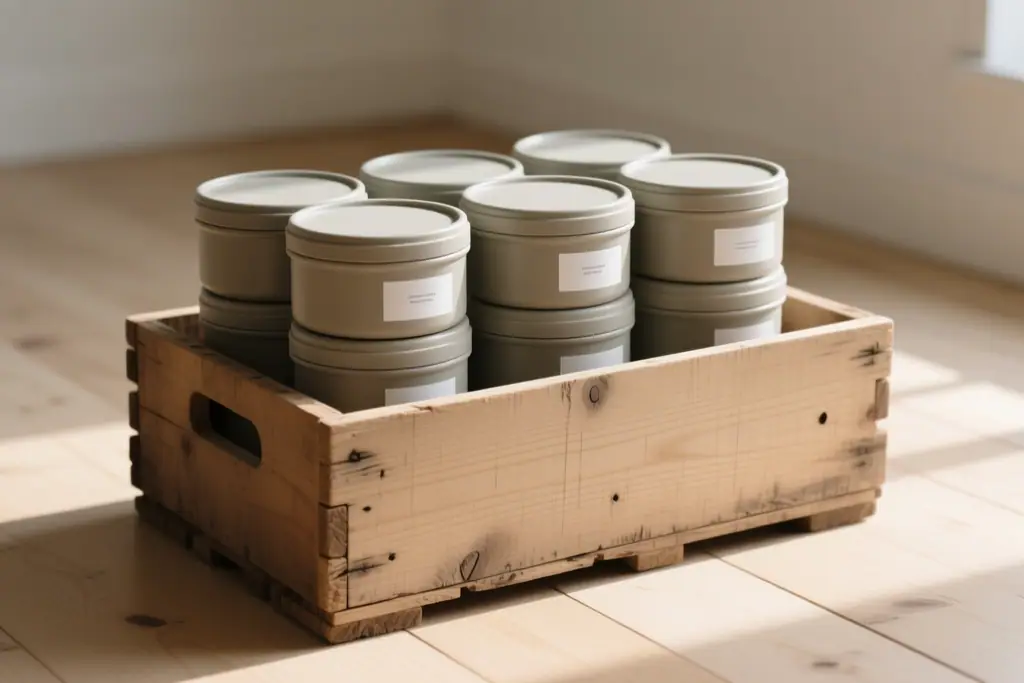
The alliance keeps going because supporters give time, supplies and money in ordinary, unglamorous ways. No single contribution is large, but together they cover the screening, storage and coordination that make sharing possible. This note explains how that support turns into milk reaching families, what it means for donors and families, and what to check if you want to help. It is written for anyone wondering whether their small effort matters.
Community support is not an abstract idea here; it is the difference between milk sitting unused and milk reaching a baby. Because the model is volunteer-run, help of almost any kind has a place. Everything below is general information, not medical advice, and personal health questions belong with your pediatrician, midwife or lactation consultant.
Where Support Comes From
Support arrives from several directions, and each kind fills a different gap. Volunteers give hours, donors give milk, and supporters give money or supplies that cover the costs volunteers cannot. The mix matters because no single source could carry the whole effort alone. That variety is also what keeps the model resilient when one part slows down.
- Volunteers who answer, organise and move milk.
- Donors who share milk they can spare.
- Supporters who cover screening and supplies.
- Local families who spread the word.
- Clinicians and counsellors who guide families.
How Support Changes What Is Possible
When support is steady, the alliance can screen more donors and keep more milk in circulation. When it dips, the first things to slow are the steps that depend on funding rather than on goodwill. In practice, that means support directly shapes how quickly a family can be helped. Availability is never guaranteed, but it is clearly linked to how much the community gives.
Support also buys time, in the sense that volunteers can focus on families instead of on fundraising. That shift is hard to see but easy to feel in how calm the process stays.
What It Means for Families and Donors
For families, community support is why milk can remain free even though it costs something to make it safe. For donors, it means their gift is matched by the volunteer work that moves and protects it. Neither side is doing the work alone, and that shared effort is the point of an alliance rather than a service. The table below shows how each kind of help lands.
| Kind of support | What it funds | Who it reaches |
|---|---|---|
| Volunteer time | Coordination and milk movement | Families and donors |
| Milk donation | The milk itself | Babies who need it |
| Money | Screening and supplies | The whole exchange |
| Supplies | Storage and labelling | Donors and families |
| Word of mouth | Awareness of the option | Families not yet connected |
Why Small Gifts Matter
Because the alliance has no large overhead, small gifts go a long way in proportion to their size. A modest contribution can cover part of a screening step or a box of supplies, and many such gifts together keep the process moving. Supporters do not need to give dramatically to be useful. Consistency counts for more than scale here.
The same is true of time. An hour answering messages can free another volunteer to make a pick-up, and the benefit spreads further than the hour itself suggests. Small efforts compound in a way that large one-off gestures do not.
What to Check Before Helping
If you want to support the alliance, the first step is to ask what is needed right now, since priorities shift with the season. You can offer time, supplies or money, and the alliance will explain which helps most at the moment. There is no wrong way to begin as long as you ask first.
Supporters are also welcome to keep asking how their help was used, because transparency is part of the same relationship. That openness protects the trust the whole model depends on.
How Support Shapes Availability
Availability in this model is not fixed; it rises and falls with how much the community contributes. More completed screenings and more steady volunteers mean milk stays in circulation instead of waiting unused. When support thins, the steps that depend on funding are the first to slow, and families feel that in how quickly they are helped. Support therefore does not sit apart from the milk; it is part of what makes the milk reach anyone at all.
That link is why the alliance speaks about support in practical terms rather than in appeals. A box of supplies or an hour of coordination has a visible effect on the exchange. Because there is no large overhead, even a modest contribution lands close to the families it is meant to help. Supporters can see their part in a chain that starts with generosity and ends with a fed baby.
What Supporters Can Do
There is no single right way to help, and the alliance would rather a supporter ask what is needed than guess. Offering time, supplies or money are all useful, and the answer changes with the season and the current demand. Beginning with a question also makes it easier to match the offer to the actual gap. That habit keeps support effective instead of well-meant but misplaced.
Spreading the word counts as much as giving, since a family that never hears about the alliance cannot use it. Mentioning the option in the right place can shift the balance of supply more than a single donation. Supporters are also welcome to keep asking how their help was used, because that openness is part of the relationship. For anything about your own health or your baby's feeding, talk with your pediatrician, midwife or lactation consultant, since this note offers general information, not medical advice.
Keeping It Running Together
An alliance survives on the assumption that many people will each do a little, not that a few will do everything. That assumption has held here because families and neighbours keep choosing to take part. Supporting the work is therefore less a donation than a joining-in. The result is milk that reaches more babies than any single person could manage alone.
If you are considering how to help, reach out through the contact details on this site and start with a question. For anything about your own health or your baby's feeding, talk with your pediatrician, midwife or lactation consultant, since this note offers general information, not medical advice. Community support works best when it stands alongside good professional care.
Related reading
Protocols and Documents: What to Review
Which forms and safety documents apply before donating or receiving milk.