Home › Donors: Screening & Safety
Freezer Pick-Up: How It Works
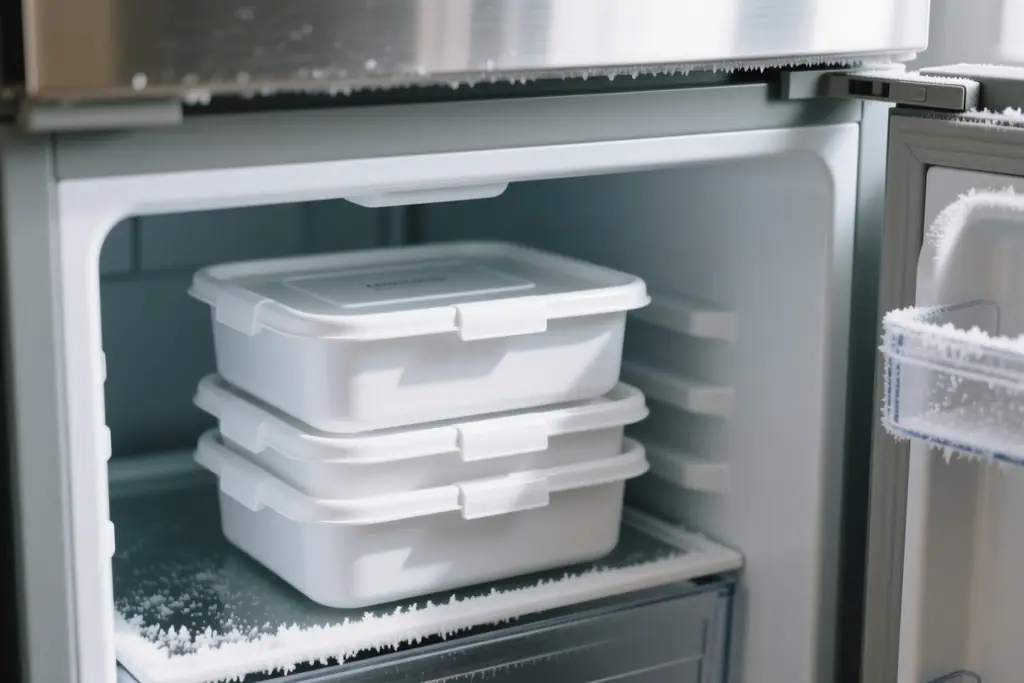
An over-full freezer is one of the most common reasons a mother first contacts the alliance. Milk that was pumped for one baby piles up faster than a family can use it, and the space it takes becomes a daily reminder. Donating it turns that surplus into help for another household. This article describes what happens when a freezer becomes a donation, from the first message to the moment the milk leaves, and it is a practical guide rather than medical advice.
When a freezer becomes a donation
Milk tends to accumulate quietly. A mother pumps to protect her supply, to prepare for a return to work or simply because her body makes more than her baby drinks. Over weeks the freezer fills, and the milk stops being a resource and starts being a problem.
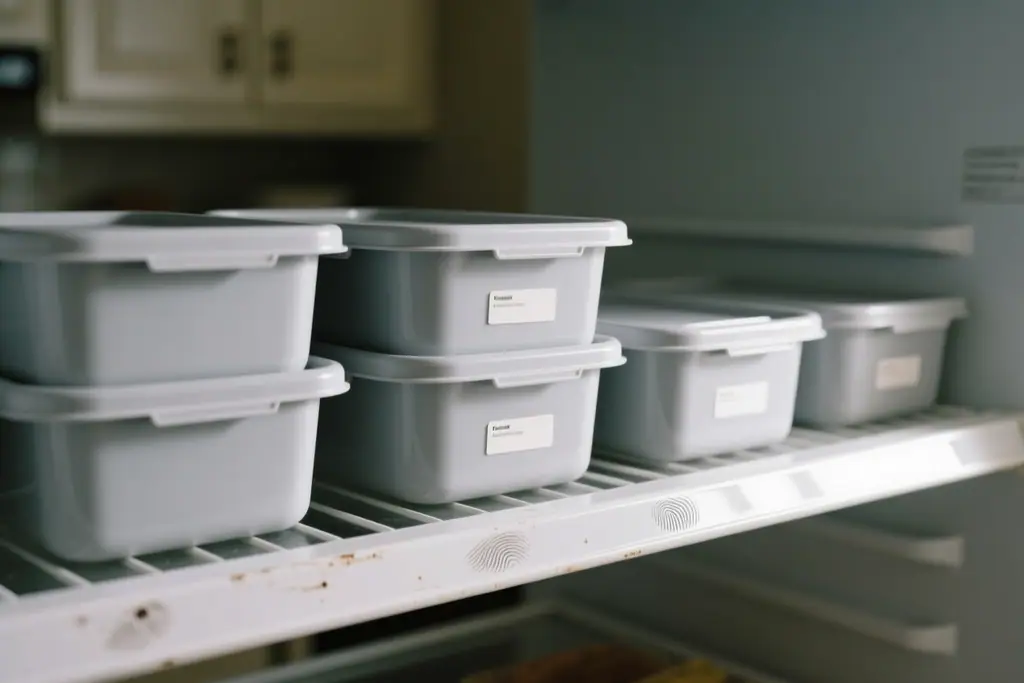
The alliance exists partly for that exact moment. A donation begins when a family decides that surplus milk should go to another baby rather than sit unused until it has to be thrown away.
Nothing about the decision is rushed. A family can ask questions first, read the documents and decide in its own time whether donating is right for them.
Making the first contact
The process starts with a message or a phone call. A volunteer listens, explains how the alliance works and asks what the family already has. That first exchange is a conversation, not an intake interview.
If the family wants to continue, the volunteer describes the screening steps and the documents that apply. These come before any milk changes hands, because the alliance works on informed choice rather than goodwill alone.
From there the family is matched with what the process needs: a screening appointment, the paperwork and, eventually, a collection point. Each small step brings the donation closer to a receiving household.
Getting milk ready for collection
Preparing milk for donation is mostly about clarity. Milk should be stored in clean containers or bags and labelled so that a receiving family can tell when it was collected. Vague or unlabelled milk is harder to pass on with confidence.
The alliance provides guidance on collecting and handling, and it points donors to its own documents for the specifics rather than relying on guesswork. Following that guidance is what keeps a donation usable.
Donors are also asked to keep milk they intend to donate separate from milk they plan to use themselves. Clear separation makes the donation easier to hand over and easier to trace later.
What happens at pick-up
Collection is deliberately low-key. A volunteer or freezer host receives the milk, checks the labelling and stores it where it can be held safely until it reaches a family. The details are simple, but they are what keep the chain intact.
- Confirm the collection time and place with the volunteer beforehand.
- Bring milk clean, labelled and separated from personal stock.
- Expect a quick check of labels and containers at hand-over.
- Ask any remaining questions before you leave.
- Keep the volunteer's contact details for follow-up if needed.
Because donors and volunteers live near each other, pick-up often happens in a driveway or a kitchen rather than a depot. That ordinariness is intentional and keeps the process human.
Freezers as collection points
The alliance leans on donated freezer space rather than a central facility. A freezer host volunteers a corner of a home freezer to hold milk in transit, which is why the model can operate without a warehouse or a fleet.
This arrangement keeps costs down and keeps milk close to the families who will use it. The table below outlines how the pieces fit together around a single pick-up.
| Piece | What it does |
|---|---|
| Donor | Stores, labels and offers surplus milk |
| Volunteer | Coordinates screening, documents and timing |
| Freezer host | Holds milk safely until it is passed on |
| Family | Receives milk after screening and paperwork |
| Donations | Cover the costs the alliance cannot volunteer |
Keeping milk identifiable
Anonymity is not the goal here; traceability is. Milk should be traceable to the donation it came from so that a receiving family can be told what applies to what they hold. That is why labels and separation matter more than they might seem to.
The alliance does not pool milk the way a milk bank does, so each donation keeps its own identity. That makes the handling guidance in the documents especially important, because the family is responsible for what happens after pick-up.
Families who want additional reassurance can use the documented home flash-heat method the alliance provides. The choice is theirs, and the instructions are written for use at home.
From one freezer to another
Looked at from a distance, a freezer pick-up is a small event. Looked at from a family's perspective, it can be the difference between milk being used and milk being wasted, and between a request going unmet and a baby being fed.
That is why the alliance keeps the process simple and the contact human. The work is done by neighbours who understand both sides of an over-full freezer, because many of them have stood on each side themselves.
For any question about your baby or your own supply, the answer belongs with a clinician. Talk with your pediatrician, midwife or lactation consultant, and let the alliance take care of getting the milk where it is needed.
Related reading
Donor Screening Steps
What the health history and lab testing involve, and what donors prepare.
The Health History: Why It Is Asked
Why donor health history matters and how the information is handled.
Donor Questions We Hear Most
Common questions from donors about screening, storage and timing.